Category: Circadian Biology and Seasonal Light Shifts
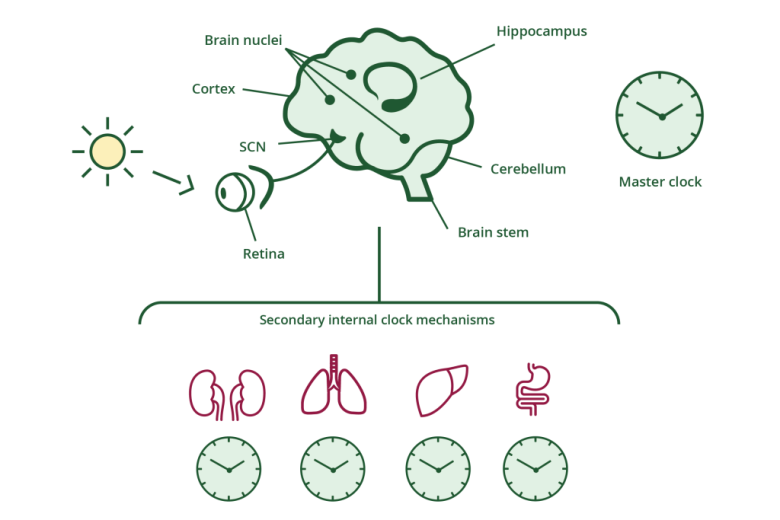
The human body operates on a roughly 24-hour cycle known as the circadian rhythm, which is primarily regulated by the suprachiasmatic nucleus (SCN) in the brain. This “master clock” relies on environmental cues, or zeitgebers, to synchronize internal processes like metabolism and hormone release. The most powerful of these cues is sunlight. When seasons shift and daylight hours dwindle, the lack of intense morning light can lead to a phase delay, where your body remains in a “biological night” mode long after you have physically woken up.
To maintain energy during the darker months, it is essential to maximize light “anchoring.” Seeking out natural light within the first hour of waking, even on overcast days, provides the lux intensity needed to trigger cortisol release and suppress daytime melatonin. If you live in an area with minimal winter sun, utilizing high-intensity light therapy lamps can mimic this effect. By intentionally managing your light environment—bright in the morning and dim in the evening—you ensure that your internal clock remains robust, preventing the seasonal lethargy that often accompanies the transition into winter.